
Living Well
23 Jun 2026Living with prostate cancer? Try these five fantastic recipes to boost your health and recovery
You might already have a good sense of what healthy eating looks like when you’re living with prostate cancer. But if turning that knowledge into everyday meals feels challenging, Melissa Mogor – a leading public health nutrition expert – has chosen five simple and nourishing recipes to help you get started.

Food can’t ‘cure’ prostate cancer – but it can support your overall health, energy and recovery. In my first Prostate Health Hub article, I focused on helping you make every bite count, keeping things practical and remembering that needs vary from person to person – especially during treatment.
So, here are five recipes I love because they’re doable, tasty and built around ingredients that are linked to better long-term health.
Remember, if you’re having treatment, managing side effects or losing weight without meaning to, speak to your healthcare team or a specialist cancer dietitian for personalised advice.
1. Lentil chilli bake – World Cancer Research Fund
What it is: A hearty, budget-friendly lentil and bean chilli served with brown rice.
Why I picked it: Lentils and kidney beans bring fibre and plant protein, which can help keep meals filling and support your gut health. It also uses brown rice (a higher-fibre, starchy carbohydrate), which aligns with general healthy eating guidance to choose wholegrains where you can. The recipe includes chopped tomatoes, which contain lycopene. While some studies have suggested that lycopene may reduce the risk of prostate cancer, others have shown no effect. But tomatoes are a powerhouse of nutrients, so enjoy them as part of an overall healthy pattern, not as a ‘magic ingredient’.
Easy swap / add-on: Add a couple of handfuls of extra frozen veg or spinach at the end to boost your ‘plants per portion’ with zero extra effort.
2. Broccoli and basil soup – World Cancer Research Fund
What it is: A quick blended soup using broccoli, onion, garlic and basil.
Why I picked it: Broccoli is a cruciferous veg, and while claims about specific foods lowering your risk of cancer are overhyped, eating a balanced diet rich in vegetables and other plant foods can help you stay a healthy weight, which can reduce your risk. Soups are also a great ‘low effort’ option if your appetite is off – you can get nutrients in without needing a huge plateful.
Easy swap / add-on: Stir in a spoonful of Greek yoghurt or a drizzle of olive oil when serving for a little extra energy - especially helpful for your ‘make every bite count’ days.
3. Salmon pâté on wholegrain toast – British Heart Foundation
What it is: Flaked salmon mixed with quark (soft curd cheese), herbs and lemon, served on wholegrain toast.
Why I picked it: Salmon is an oily fish, and UK healthy eating advice recommends at least one portion of oily fish a week as part of a balanced diet. The wholegrain toast adds fibre, which is associated with better health outcomes. It’s a simple upgrade if you’re currently on white bread. This recipe is also really quick – useful when fatigue or low motivation hits.
Easy swap / add-on: Add a side of cherry tomatoes, cucumber or a watercress or leafy salad, to make it a more complete meal without cooking.
4. Honey soy and mustard salmon with greens and wedges – HEART UK
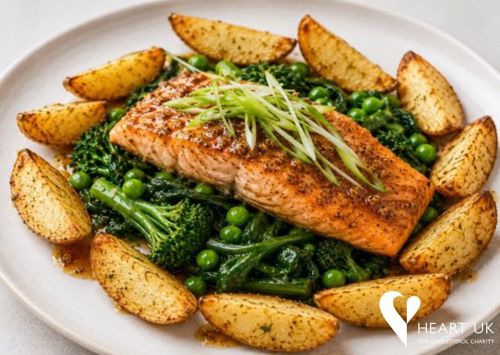
What it is: Pan-fried salmon with broccoli, peas and spinach, plus potato wedges.
Why I picked it: This one ticks three practical boxes:
– protein (salmon)
– plants (greens)
– fibre-friendly carbs (potatoes with skins).
Oily fish is a useful ‘two-for-one’ because it supports your overall heart health, which matters for anyone who’s living with and beyond cancer too.
Easy swap / add-on: If you’re watching your salt, keep to the reduced-salt soy sauce and add extra lemon, herbs or chilli for flavour instead of extra salt.
5. Angela Hartnett’s Banana Bread – Prostate Cancer UK
What it is: A classic banana bread with sultanas, eggs and walnuts.
Why I picked it: Because food should always bring you joy – and a realistic plan has room for a comforting bake. Walnuts bring unsaturated fats, and swapping some saturated fats for unsaturated fats is part of the NHS’s heart-health guidance. Nuts and seeds can also be a handy way to add energy and protein when your appetite is lower. This recipe does contain sugar, so it’s best enjoyed as a snack or dessert – not ‘everyday fuel’.
Easy swap / add-on: Serve a smaller slice with yoghurt and berries to add protein and fruit (and make it feel more like a ‘mini meal’ than a standalone sweet snack).
Keep it simple: aim for more plants most days, choose wholegrains when you can, include beans and lentils regularly, and keep oily fish in the rotation if you eat it. If treatment side effects are making eating hard for you, focus on what you can manage and ask for support. You don’t have to figure it out alone.
Sources
- World Cancer Research Fund – evidence summary on plant-rich diets:
https://www.wcrf.org/research-policy/evidence-for-our-recommendations/wholegrains-veg-fruit-beans/ - NHS – fibre guidance:
https://www.nhs.uk/live-well/eat-well/digestive-health/how-to-get-more-fibre-into-your-diet/ - NHS – oily fish guidance:
https://www.nhs.uk/live-well/eat-well/food-types/fish-and-shellfish-nutrition/ - NHS – unsaturated fats:
https://www.nhs.uk/live-well/eat-well/food-types/different-fats-nutrition/ - Cancer Research UK – tomatoes/lycopene
https://www.cancerresearchuk.org/about-cancer/prostate-cancer/practical-emotional-support/food-controversies-supplements - Cambridge University Hospitals NHS Foundation Trust – nuts/seeds for energy/protein
https://www.cuh.nhs.uk/patient-information/food-fortification-the-healthy-way/

Where to start after a prostate cancer diagnosis: five simple steps towards a healthier lifestyle
Real change doesn’t happen all at one - it comes from taking the right first steps. We asked Michelle Paterson, a Registered Nutritional Therapist and Health Coach, for five simple tips to help you make healthy changes that last.
Read Article
Why regular exercise is key to living well with prostate cancer
There are many benefits to an active lifestyle – from managing side effects to improving our mental health. Physiotherapist Sarah Dewhurst says it’s time to change our mindset on physical activity.
Read Article
Make every bite count: a guide to nutrition & healthy eating
Small changes to our daily diets can have a big impact on our health. Nutrition expert Melissa Mogor shares her top tips for making the most of every mouthful.
Read Article
Building physical activity into your daily routine
Regular physical activity is safe for most men with prostate cancer and can bring many benefits - whether your goal is building exercise into your routine or simply moving more around the house.
Read Article