

Pilot programme report
Between September and December 2025 Prostate Cancer UK partnered with healthcare and exercise professionals to pilot a 12-week exercise and education intervention for prostate cancer patients.
Patient Wellbeing Pilots: A feasibility study in patient exercise and education interventions in Guildford and Fareham.
Introduction
Existing evidence demonstrates that exercise is an effective adjunct to prostate cancer care. It can improve physical function, support mental wellbeing, and mitigate some of the debilitating side effects of both the cancer and its treatment.
For this reason, these pilot programmes were not designed to prove that exercise works. Instead, they were developed to test the feasibility of a standardised education and exercise programme that can be implemented and scaled across different healthcare and community settings.
In particular, the pilots aimed to demonstrate that these programmes could be implemented without relying on specialist gym facilities or highly specialised healthcare professionals (HCPs), and without placing a significant additional cost burden on Trusts or primary care services. A secondary aim was to evaluate whether a 12-week intervention was sufficient to support meaningful improvements in various health and fitness metrics, such as blood pressure, step test and BMI.
So glad I came. Uplifting. Dragged me out of a deep hole.

The programme ran for 12 weeks and consisted of a weekly two-hour session. Each session included one hour of facilitated education and coaching, followed by one hour of supervised group exercise. The education sessions focused on helping participants better understand their condition and treatment, build confidence in managing their health and wellbeing, and support long-term behaviour change. The exercise sessions were designed to be adaptable, progressive, and appropriate for men at different stages of treatment and recovery. The exercise facilitators were given a toolbox of exercises that were developed by Gemma Harris, an Exercise Therapy Lead and Oncology Physiotherapist, and checked by our working group. These exercises were used as a starting point and guidance for the exercise sessions, but both facilitators developed their own programmes tailored to the group’s abilities using a circuit format.
The two pilot programmes were delivered in different community settings: one in a leisure centre and the other in a scout hut. Education sessions were delivered by oncology physiotherapists, a health coach and a GP, while the exercise sessions were led by a Cancer Exercise Specialist and a personal trainer with additional cancer rehabilitation training (CANRehab).
Inclusion and Exclusion Criteria
The inclusion and exclusion criteria were developed with input from a multidisciplinary working group to ensure patient safety. Due to some difficulties with patient recruitment some criteria were adjusted during this phase to include those with a diagnosis within the last two years.
Inclusion criteria
- Men with a diagnosis of prostate cancer within the previous year, who were on or undergoing active treatment (with flexibility applied within primary care patient groups)
- Willing and able to provide informed consent
Exclusion criteria
- Absolute contraindications to exercise as defined by current clinical guidance (e.g. ACPICR standards)
- Uncontrolled hypertension (>150/95)
- Recent myocardial infarction (within the past six months)
- Inability to provide informed consent
- Unstable bony metastases unresponsive to treatment
- Inability to complete programme assessments
- Participation in another structured lifestyle or exercise intervention for prostate cancer
- Men who qualify for existing exercise intervention trials, eg. STAMINA
- Estimated life expectancy of less than 12 months for reasons unrelated to prostate cancer
- Less than 12 weeks post-prostatectomy (unless clinically appropriate)
- Men undergoing radiotherapy or chemotherapy with severe side effects (inclusion at the discretion of health practitioner)
Recruitment and referral
Participants were referred to the programme through either primary or secondary care. In primary care, GPs identified potentially suitable patients and invited them to take part, conducting patient screening in a face to face or phone consultation. In secondary care, clinical specialists referred patients to Gemma Harris, who discussed the programme with them and enrolled anyone who was interested and eligible. In Guildford, referrals from the Royal Surrey covered a wide geographical area, which limited participation for some men due to travel distance.
Data Collection and Consent
Participant feedback was collected using online Microsoft Forms surveys. These surveys were completed anonymously, and no identifying information was collected. Fitness test results and other health markers were recorded by programme facilitators and shared in anonymised, password-protected documents.
Informed consent was obtained from all participants prior to participation, and additional permissions were sought for the use of case studies and photographs where applicable.
Costs
Fareham
|
Staffing |
£625 |
Health Coach for education delivery and CANRehab trained PT |
|
GP screening time |
£764 |
2 half days were used for screening appointments |
|
Venue |
£288 |
Scout Hut Fareham |
|
TOTAL |
£1677 |
Guildford
|
Staffing |
£1800 |
Oncology Physiotherapist, Cancer Exercise Specialist, (includes screening) |
|
Venue |
£494.40 |
Local Sports Centre |
|
TOTAL |
£2294.40 |
Education session topics
- Exercise as medicine
- Treatments and their side effects
- Local support
- Diet and nutrition
- Fatigue and sleep management
- Urological side effects
- Sexual wellbeing and support
- Mental health
- Loved ones session
Where weight or BMI was measured, the majority of participants saw a reduction in both with average weight loss across the group 1.033kg, although 2 participants saw a slight increase. This could be due to an increase in muscle mass, or an increased appetite, but as this was not measured it cannot be claimed definitively.
In the 3-minute step test, 7 out of 10 improved with 1 of those measured as worsening still scoring above average. In both hand grip strength and squat to chair tests 3 participants measured as worsened or saw no change.
These results suggest that a 12-week programme is not a sufficient intervention to see significant improvements in these areas, although it should be noted that participants were all at different stages of their journey and age, and the anonymised data does not show individual circumstances during the course of the programme, which could have had an impact on the data.
In subjective data collected, no major improvements were noted in mobility, ability to do usual activities or pain and discomfort, but 80% saw an improvement in the area of anxiety/depression. Where participants reported not completing certain exercises, this was largely attributed to physical limitations related to treatment effects rather than lack of motivation. Some exercises were beyond their current capability, particularly for those who experienced rapid physical decline during or following treatment. “Nobody told me that the treatment would have such a debilitating effect. I walked 20 miles a week before treatment started. My muscle deterioration was very rapid on completion.”
Self-reported changes and learning points
The majority of participants reported improved physical strength and endurance (79%), better mood and emotional wellbeing (64%), better health food choices (64%), and improved quality of life (57%). Some also reported improved symptoms such as reduced fatigue (43%), improved sleep and better urinary control and pelvic floor function (7%). Others felt more self-confident (14%) and had a greater sense of control and resilience (36%).
When asked about the most important thing they’d learned, common themes included awareness of available support, benefits of exercise and the value of shared experience:
- “That help in many forms is available if required.”
- “Benefit of exercising with weights.”
- “Learning from the experience of others.”
- “The 'Exercise as Medicine' philosophy reinforced how important it is for me to stay fit and healthy, not just for physical health but also mental wellbeing.”
- “Everyone’s experience is different, but a positive attitude is important. The impact on partners of a cancer diagnosis is at least as devastating as on the patient.”
One participant learned for the first time what his stage 3 diagnosis meant in physiological terms - he had no idea it meant the cancer had spread to his lymph nodes: “I learnt this from a slide in one of the early sessions and had never seen this vital information [before].”
The importance of camaraderie and peer support was also frequently mentioned, and that the programmes helped them realise that they were capable of more than they thought.
- “The camaraderie amongst the group. Sharing stories and experiences."
- “I realised how lucky I am compared to others. Humbling really.”
- “That I CAN do exercise and recover if it is suitably paced and with encouragement rather than pressure.”
- “Moving is good for me – I have more energy than I thought – now need to keep up the movement momentum.”
Confidence to Manage Health and Wellbeing
Participants reported a strong positive impact on their confidence to manage their own health and wellbeing:
- 7% described the impact as ‘life changing’.
- 64% said the programme had a ‘significant impact’,
- 21% reported a ‘moderate impact’, and
- 7% reported a ‘slight impact’.
Several participants emphasised the motivational and emotional significance of the programme:
“Wouldn’t be in the gym now had I not come here in September.”
“From a motivational and mental health perspective it’s been life changing.”
Participant Feedback
As the feedback surveys were completed anonymously, feedback and recommendations are presented as general observations about the programme rather than tied to individual pilots.
Reasons for joining the programme
Men were motivated to join the programme to better understand how exercise could support them throughout their prostate cancer journey. They wanted help to re-engage with physical activity, improve fitness, build strength, lose weight and enhance their overall health and wellbeing, with reassurance that exercise would be guided by a rehabilitation physiotherapist.
Participants particularly valued that the exercises were tailored to their age, ability and symptoms. Alongside the physical benefits, men were keen to learn more about their cancer, meet others with shared experiences, exchange peer support and gain practical strategies for managing specific side effects, including post-operative urinary incontinence.
One of the reasons given for not joining the programme was that the group-based format felt daunting. However, this feedback came from a participant who ultimately did take part in the programme. As a result, it is difficult to draw firm conclusions about the reasons why individuals who chose not to join did so.
Survey feedback
Programme Expectations
Overall, the programme met or exceeded participant expectations.
- 57% of respondents reported that the programme ‘exceeded expectations’
- 43% stated that it ‘mostly met expectations’.
Participants consistently described the programme as valuable, relevant and supportive, even where some content initially felt less applicable. One participant said, “The treatments didn’t seem relevant to my situation until I realised that there may be a chance that the cancer could come back.”
Feedback on the education sessions was overwhelmingly positive. Participants reported that they provided new information and helped them apply learning to daily life. While all sessions were considered useful, participants noted that the relevance of specific topics varied depending on individual circumstances and stage of treatment: “To be honest, they were all very useful. However, the relevance and importance of each topic was very much according to the individual’s circumstances.”
The most common piece of feedback in this area was that some of the information would have been more useful during the earlier stages of their prostate cancer journey.
“I felt a lot of the educational sessions would have been better suited to a pre-treatment briefing. The one I got the most out of were ones around recovering and wellbeing.”
Recommendations
- Programme Structure and Communication
- Providing the titles and focus of each session at the beginning of the programme.
- Confirming the date of the Loved Ones session early, to allow planning attendance in advance. One man suggested that loved ones be involved earlier in the programme, rather than in a single later session.
- Giving access to the education slides after sessions so that participants could revisit key information at their own pace.
- More clarity around what follow-up support is available once the programme ends.
- Timing and content
- The most frequent feedback was that the treatment and side effects sessions would have been more beneficial earlier in the prostate cancer journey.
- There was a suggestion of splitting the programme into two six-week blocks, aligned to pre- and post-treatment phases, to better reflect differing needs across the treatment pathway.
- Education Content and Delivery
- More time for group discussions, more focus on wellbeing and mental health and ending these sessions on a more upbeat note.
- Adding in-depth information about specific exercises and what their benefits are, what body part they work etc. to the education section.
- Although the men were overall happy with the session facilitated by female practitioners, one man commented that "a discussion on male sexuality led by a female is always going to be "from a textbook".
- There was some concern that fitness testing at the beginning and end of the programme could be misleading, particularly for men undergoing treatment changes during the 12 weeks. In this case, there may be a need for alternative ways of framing progress.
- Sustaining exercise
- Access to local community-based classes
- Proactive GP referrals to local gyms
- Occasional sessions led by oncology-trained professionals
- Downloadable or follow-along exercise programmes on the Prostate Cancer UK website.
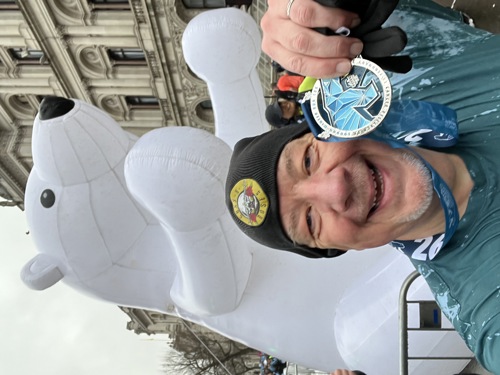
All participants intended to continue exercising after the programme. One participant has since completed the London Landmarks 10k - citing the programme as his motivation for going "over and above Parkrun on a Saturday morning".
The majority of participants expressed a clear preference for in-person sessions, however there was some recognition that online sessions would allow for a wider catchment area.
Many participants reported making lifestyle changes following the sessions. These included increased physical activity, taking out gym memberships, making dietary improvements, and considering follow-up actions such as checking testosterone levels. One participant also introduced Vitamin D supplements to his diet as part of a broader focus on improving overall health.
Facilitator Feedback
The feedback from facilitators was positive, they were happy overall with slides, content, supporting facilitator notes and the general structure of the programme. The education sessions typically required around an hour of preparation each week to research topics and local resources. The guides and slide notes were useful for facilitating conversations and avoiding lecture-style delivery and facilitators felt confident in their ability to deliver the sessions with the resources that Prostate Cancer UK provided.
Engagement and participation across both locations was extremely high. Surrey had 11 participants while Fareham had 8 and most participants attended consistently throughout the whole programme. During the education sessions both Conor and Gemma noted a clear shift in group dynamics over time as the men became more open and willing to share.
“A lot of them come from military or ex-police backgrounds, quite stoic men who keep things bottled up, so it’s brilliant for them to open up and feel safe.” - Conor, Fareham
“They're really open with each other, discussing their ego and sex and all that sort of stuff in a way that I have complete admiration for them.” - Gemma, Surrey
Participation in the exercise sessions was also high in both groups. Both Steph and Stuart had to adapt sessions to accommodate a wide range of abilities, preferences, treatment stages, energy levels, and injuries. Both facilitators provided their own equipment, which should be considered when looking at future delivery and scaling, as Prostate Cancer UK does not currently provide equipment and this could be a potential barrier. Stuart also found it valuable to attend the education sessions, as this helped him better understand the participants and build trust.
Clear physical improvements were seen across the groups, including increased strength, cardiovascular fitness, mobility, balance, coordination, and endurance. Progress was visible within sessions, with participants able to complete more exercises, additional rounds, and more challenging variations over time. The most significant change noted by facilitators was an increase in the men’s confidence. Beyond the sessions, many of the men wanted to continue privately with sessions.
Experience working with people affected by cancer was beneficial, as some sessions involved emotionally challenging topics. Gemma suggested involving other professionals in future delivery, such as dietitians, CNS' to cover treatment side effects, or counsellors to support sessions involving loved ones. Pre-recorded input from specialists was also suggested as a possible option.
Recommendations
- Build in a midpoint check-in to review how the programme is going for both participants and facilitators,
- Simplify educational slides by reducing text, using more images, and moving detail into speaker notes,
- Offer more support between sessions, such as simple home-based exercises and basic equipment such as resistance bands,
- Consider tailoring delivery for different stages of the prostate cancer pathway, particularly for those with advanced disease,
- Provide guidance or protocols on setting up participant communication channels such as WhatsApp groups,
- Bring in professionals from other disciplines to speak about specific topics, or have pre-recorded videos if in-person isn’t an option.
The 'Exercise as Medicine' philosophy reinforced how important it is for me to stay fit and healthy, not just for physical health but also mental wellbeing.
Both pilots lacked ethnic diversity due to the available patient cohorts and area demographics. Addressing this is vital when assessing the feasibility of this programme across the UK with more diverse populations. In 2026, we will continue working with our Black Health Equity team to ensure Black men, who have double the risk of prostate cancer, are included in future programmes. One option is to run a pilot specifically for Black men with prostate cancer. Research (SOURCE from article) shows that Black men face additional barriers to exercise that will need to be addressed.
Twelve weeks of exercise does not meet the NICE guidelines for recommended activity levels, making it more challenging to demonstrate significant effects on health metrics. However, this intervention is not intended to serve as the patients’ sole exercise; rather, it aims to encourage engagement with fitness and support the continuation of their exercise journey beyond the programme.
We aimed for 12 patients per cohort; however, due to recruitment challenges, only between 8-10 participants per cohort completed the programme, resulting in a smaller sample size than anticipated.
Most participants were post-treatment, though some were undergoing treatment during the programme. This may have influenced the programme’s efficacy, as those in active treatment are more likely to face challenges with exercise due to treatment-related side effects. Each programme will need to be tailored for the cohorts attending, taking into account time after diagnosis, stage of treatment, age, mobility and pre-existing risk factors.
Conclusion
These pilot programmes have demonstrated that a 12-week education and exercise programme can be run on a relatively reasonable budget, utilising local community resources. CANRehab training is considered necessary to ensure the safety of patients.
There were no significant differences in feedback between the two locations, indicating that delivery by an all-female or all-male team does not affect the impact of these sessions. There were also no discernible concerns from participants regarding female facilitators when discussing sensitive topics.
Evidence suggests that full medical screening may not be absolutely required (SOURCE from review) for cancer patients taking part in structured exercise interventions. However, a conversation with a member of their medical team prior to starting can reassure patients, identify any additional health concerns, and give patients the opportunity to discuss issues around their cancer diagnosis and treatments that they may have been unable to ask about previously or did not feel warranted a GP appointment.
In terms of delivery requirements, PT Level 4 with additional CANRehab training is the minimum requirement for a structured, prescribed exercise intervention to ensure an understanding of the various complexities of prostate cancer. Although CANRehab is not a prostate cancer specific training course, it provides the background required to train those living with and beyond cancer. Additional education in prostate cancer specific concerns would be beneficial to anyone looking to implement a programme for this cohort.
Local community venues were used. Making use of available settings such as these can also help to keep costs relatively low and ensure accessibility for the communities the programmes aim to support.
Referrals into an exercise intervention should be considered and actively encouraged at every stage of a patient's cancer journey. Based on the above results and recommendations from both patients and facilitators, exercise interventions should be tailored and adaptable to the needs of the cohort invited. Many participants would have preferred certain educational aspects to be covered much earlier in their journeys; therefore, implementing an in-person or online programme focused on treatments and side effects, for example, could be considered earlier than any structured exercise intervention.
Most participants found the group conversations to be extremely beneficial to their overall understanding of their prostate cancer, forming the peer support element of the programme. This should be incorporated into any exercise intervention to improve group cohesion and encourage completion.
Whilst these pilots did not intend to demonstrate significant improvements in the health or fitness metrics, it is notable that many of these improved. The most notable improvement however is the attitude of participants to exercise and the value of the community they formed during the programme. Many intend to continue exercise, some have joined a gym or signed up to Park Runs, whilst others have noted a positive difference in their diet choices and a decrease in feelings of anxiety. Therefore, this pilot has shown a definite change in wellbeing and life satisfaction, along with a new willingness to open up about their diagnoses, treatments and side effects and how they are feeling.
Therefore, despite some limitations to the pilot programme, it has demonstrated significant value in a structured, group-based exercise intervention for people with prostate cancer. This includes improvements in overall wellbeing, incremental physical and health metric changes, and increased knowledge that enables more informed decision-making throughout their prostate cancer journey.
Our programme pilot partners:
Meon Health
Dr Jenny Rattray, GP and Cancer Alliance Lead
Conor Morley, Health Coach
Stuart Owen, PT (CANRehab)
The Fountain Centre
Gemma Harris, Oncology Physiotherapist
Steph Still, Cancer Exercise Specialist
Royal Surrey Stokes Centre
Maria Innes, CNS
Wissam Abou-Chedid, Consultant
Our working group:
Gemma Harris, Oncology Physiotherapist, The Fountain Centre
Tharshini Ramalingam, GP and GPwSI Cardio-Oncology
Alexandra Naranjo, Data and Evidence Senior Officer, Prostate Cancer UK
Uschi Hofmann, Consultant Medical Oncologist, Calderdale and Huddersfield NHS Foundation Trust
Sarah Dewhurst. Onocology Physiotherapist, The Royal Marsden
Ellie Blake, Data and Evidence Officer, Prostate Cancer UK
Nicky Hill
Thanks also to the lived experience volunteers at Prostate Cancer UK, who supported us with developing the education slide decks and sense-checking our ideas for the programme.
Contact us
Contact the Improvement Programmes Team at [email protected] for access to the educational slide decks used for this pilot, or for support in implementing your own education and/or exercise intervention for prostate cancer patients.
